




Aluminum sheet, coil and foil of Haomei Al. are widely used in automotive, transportation, printing, construction, packa...more >>

Haomei Al. is a large-scale listed company of aluminum sheet, aluminum coil and aluminum foil manufacturing, and the ann...more >>
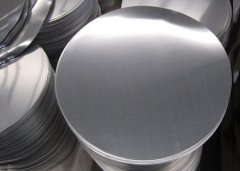
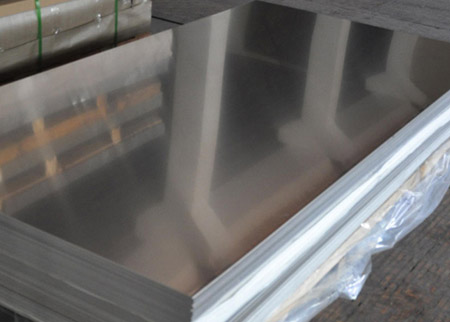
In lighting optics, solar thermal collection, and industrial reflective systems, the reflectivity of aluminum mirror sheet directly determines the final energy efficiency. Haomei Aluminum high-reflectivity aluminum sheets offer tiered optical-grade aluminum solutions to global customers, ranging from 85% to 95% specular reflectivity. Unlike ordinary decorative mirror aluminum sheets, their core value lies in the controllability and long-term stability of the reflection spectrum.
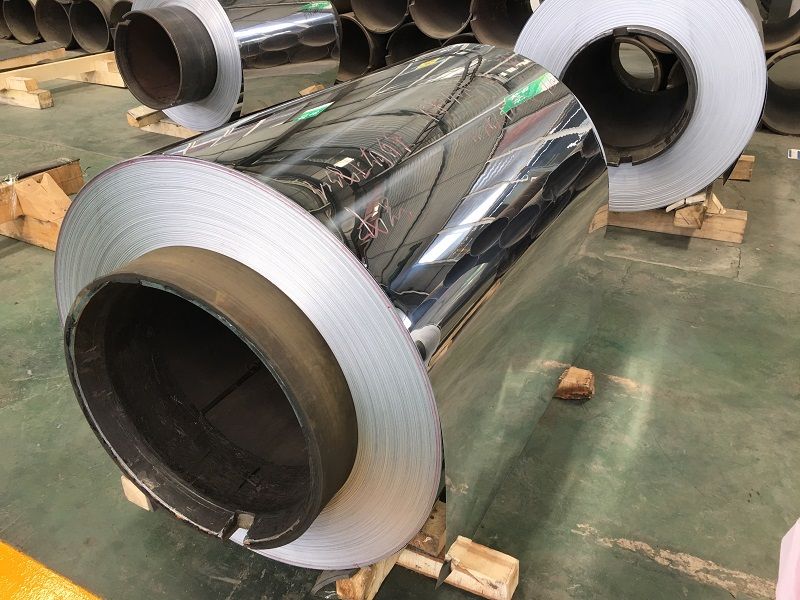
This reflective performance is built upon a three-layer technology system. At the substrate level, high-purity pure aluminum alloys such as 1060 and 1070 are preferentially used, with an aluminum content of no less than 99.60%. The matrix grains are fine and uniform, ensuring a high reflectivity background in the visible light band from the material end. At the surface treatment level, through precision physical polishing combined with chemical leveling processes, the surface roughness is controlled below Ra 0.02μm, forming a continuous, non-scattering mirror substrate. This is a prerequisite for achieving a reflectivity of over 90%. At the protective layer level, anodic oxide films or transparent nano-coatings can be matched to maintain high reflectivity while improving weather resistance and scratch resistance. For outdoor applications, transparent anodized layers with a thickness of 3-8μm can be customized, with reflectivity attenuation controlled within 2%.
The highly reflective aluminum sheet is divided into three technical grades based on reflectivity for easy customer selection.
Standard grade: 85%-88% reflectivity, using 1060 alloy as the base material, suitable for scenarios with moderate optical precision requirements such as interior building reflectors and luminaire diffusers, offering excellent cost-effectiveness.
Advanced grade: 89%-92% reflectivity, using 1070 high-purity aluminum base material and fine polishing process, mainly targeting commercial lighting fields such as LED lighting reflectors and flat panel light reflectors, with light utilization rate increased by more than 15% compared to ordinary aluminum plates.
High-gloss grade: 93%-95% reflectivity, using ultra-high purity aluminum base material with ultra-precision polishing and passivation treatment, applied to solar trough collectors, industrial laser reflective systems, and high-precision optical equipment, capable of withstanding continuous infrared irradiation while maintaining stable reflection.
Compared to reflective materials such as stainless steel and coated glass, high-reflectivity aluminum sheets offer multiple engineering advantages. Weighing only one-third that of stainless steel, they significantly reduce the structural load on lighting and solar energy systems. They can be stamped, bent, and rolled into shape, allowing for integrated processing of complex reflective surfaces. The aluminum substrate is naturally corrosion-resistant, and with surface protection, it can adapt to various climates, including coastal and humid environments. Mature applications have been proven in exports to Southeast Asia, the Middle East, and Africa.
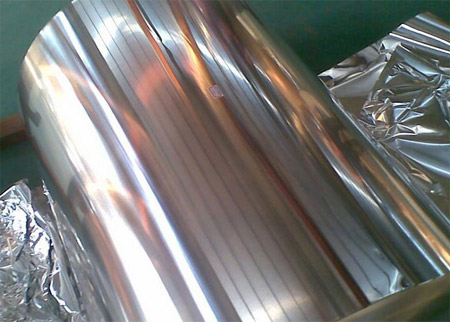
Haomei Aluminum provides a reflectivity test report for each batch of high-reflectivity aluminum sheets, using a spectrophotometer to measure the average reflectivity in the visible light band (400-700nm), with traceable data. Customized size cutting, continuous roll supply, and surface protective film selection are also supported to match the needs of automated deep-processing production lines. Leveraging over ten years of experience exporting optical aluminum materials, Haomei can assist customers in achieving technical matching between reflectivity levels and application scenarios, achieving an optimal balance between performance and cost.
live:onlinehcx


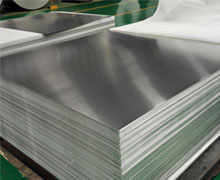

 Haomei Aluminum
 live:onlinehcx
 +8637165621391