




Aluminum sheet, coil and foil of Haomei Al. are widely used in automotive, transportation, printing, construction, packa...more >>



Haomei Al. is a large-scale listed company of aluminum sheet, aluminum coil and aluminum foil manufacturing, and the ann...more >>
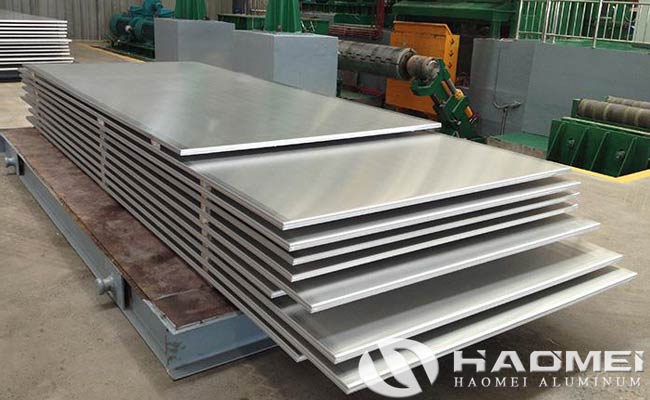
As of October 2026, the prevailing FOB price for standard industrial-grade 6061 aluminum sheets (shipping from Chinese ports) ranges from $3,900 to $4,500 per ton—equivalent to $3.90–$4.50 per kilogram. Specifically, standard 6061-T6 hot-rolled aluminum sheets (2.0–10.0mm thick) price is between $3,900 and $4,200 per ton, while stress-relieved 6061-T651 mold-grade aluminum plates price is between $4,150 and $4,500 per ton. All compliant products are priced based on the LME (London Metal Exchange) spot aluminum ingot price plus a processing fee. Throughout the year, prices have fluctuated in line with LME aluminum trends, with an overall volatility of approximately 12%, prices in the third quarter sat at the median level for the year.
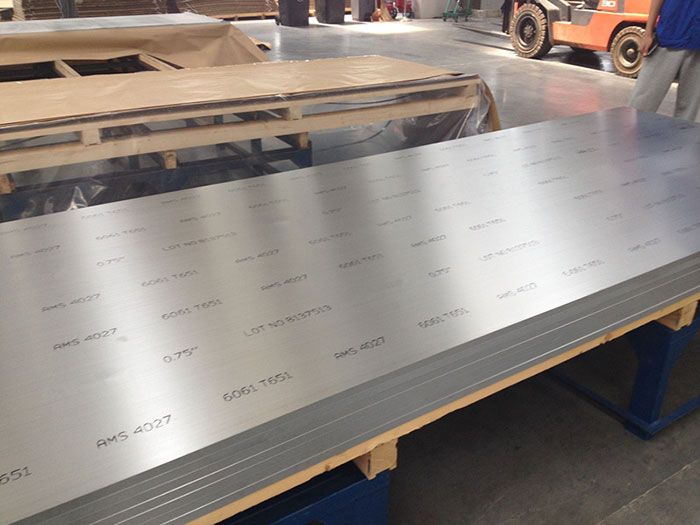
The LME aluminum ingot price is the primary factor influencing 6061 aluminum sheet price, accounting for roughly 75% of the total cost. The industry-standard pricing logic is defined as the "monthly average LME spot aluminum ingot price + alloy processing fee." For every $100/tonne fluctuation in the price of aluminum ingots, the price of 6061 aluminum plate shifts by approximately $75–$80/tonne. Since the beginning of 2026, driven by a combination of energy costs, geopolitical factors and recovery in global demand, the LME three-month aluminum futures price has traded within a range of $3,000–$3,780/tonne. The annual peak occurred in June, which also marked the high point for 6061 aluminum plate prices for the year. Currently, LME aluminum is fluctuating around $3,100/tonne, placing aluminum sheet prices within a relatively stable range. For long-term, high-volume procurement, the industry typically offers two settlement models: pricing based on the monthly average or long-term contracts with fixed pricing. The latter allows for prices to be locked in for 3–6 months, mitigating the risk of market volatility—a preferred arrangement for many large and medium-sized overseas manufacturing enterprises.
Variations in processing fees are the primary reason for price differences among products of the same specification, as these fees directly reflect product quality and standards. For standard 6061-T6 hot-rolled aluminum plates with a thickness of 2.0–10.0 mm, processing fees generally range from $700 to $950/tonne; this covers the entire production process, including alloy melting, hot rolling, solution heat treatment and aging, finishing, and standard packaging. For 1.0–3.0 mm cold-rolled aluminum sheets, the processing fee increases to $850–$1,200/tonne due to the higher number of rolling passes required and stricter precision standards. Products in the T651 temper—which undergo an additional pre-stretching process for stress relief—incur an extra $200–$300/tonne in processing fees. Similarly, O-temper (annealed/soft) aluminum plates also command higher processing fees—roughly on par with T651—due to the additional annealing step required. The thinner the material and the higher the precision requirements, the greater the processing costs. For instance, the processing fees for ultra-thin cold-rolled aluminum sheets (under 0.5mm) can be more than 60% higher than those for standard-thickness plates. Similarly, for ultra-thick aluminum plate specifications (exceeding 50mm), processing costs increase significantly due to longer rolling cycles and stringent requirements for ultrasonic flaw detection.
Trade terms, procurement volume, and value-added services also directly influence the final cost. Industry-standard quotes are typically based on FOB (Free On Board) terms at a Chinese port, covering domestic transport, export customs clearance, and moisture-proof packaging on standard wooden pallets. If CIF (Cost, Insurance, and Freight) terms are required, ocean freight and insurance costs must be added; depending on the destination port, shipping costs can vary by $150 to $600 per metric ton. Regarding procurement volume, bulk orders of over 5 tons generally qualify for a tiered discount of 2%–3%, while long-term orders exceeding 20 tons may receive discounts of up to 5%. Customized services—such as surface film lamination, precision six-sided milling, cut-to-size processing, or third-party inspection—add between $30 and $300 per ton to the total cost.
Based on our extensive experience in export services, the hidden costs behind low quotes are frequently underestimated. Some suppliers offer prices below $3,800 per ton by pushing tolerances to the absolute lower limit—for example, an aluminum sheet nominally 2.0mm thick might actually measure only 1.85mm. While this may appear 3%–5% cheaper on a per-ton basis, the actual cost per unit of usable surface area is higher. Other manufacturers may cut corners on heat treatment, substituting T6 artificial aging with T4 natural aging. This results in a yield strength that is at least 30% lower, posing significant safety risks when used in structural components and leading to rework costs that far exceed any initial savings.
Haomei Aluminum is committed to transparent pricing based on standard tolerances and fully compliant heat treatment processes. We maintain processing fees within a reasonable industry range and do not offer non-standard products designed merely to attract customers with artificially low prices. Haomei 6061 aluminum sheets is manufactured in strict accordance with the ASTM B209 standard. Each shipment comes with comprehensive material testing and hardness reports. We offer tiered volume discounts and long-term fixed-price agreements, enabling overseas clients to precisely control procurement costs while ensuring consistent quality.
live:onlinehcx




 Haomei Aluminum
 live:onlinehcx
 +8637165621391
