



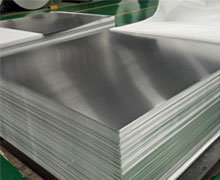
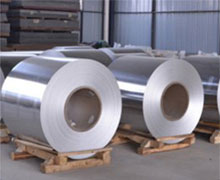
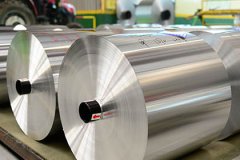
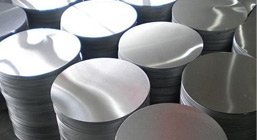
Aluminum sheet, coil and foil of Haomei Al. are widely used in automotive, transportation, printing, construction, packa...more >>


Haomei Al. is a large-scale listed company of aluminum sheet, aluminum coil and aluminum foil manufacturing, and the ann...more >>
The selection of aluminum pipe insulation jacketing directly determines the energy efficiency, service life, and total lifecycle maintenance costs of an insulation system. Drawing on over a decade of experience in manufacturing insulation-grade aluminum and executing overseas projects, we have observed that more than 40% of insulation system failures stem from improper material selection—often a result of prioritizing low initial costs over compatibility with actual operational conditions. Haomei Aluminum has established selection criteria based on three core dimensions: alloy substrate, surface treatment, and moisture-proof backing. Our comprehensive product portfolio ensures that clients can precisely match materials to their specific project requirements.
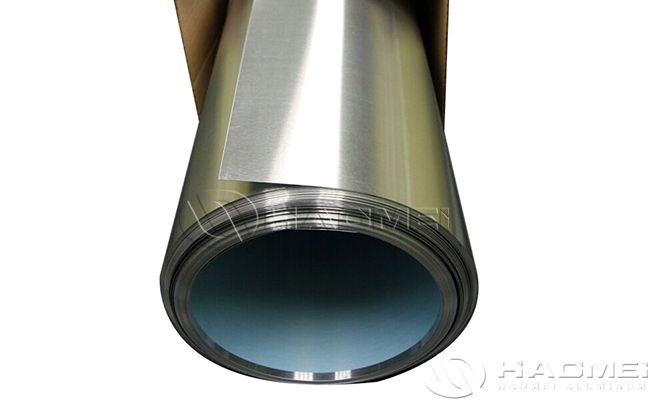
The choice of alloy substrate is primarily determined by the corrosivity of the operating environment and the required mechanical strength. Haomei aluminum pipe insulation jacketing complies with the ASTM B209 international standard and is available in H14 and H18 tempers.
The 1060 pure aluminum series—containing ≥99.6% aluminum with a tensile strength of 85–120 MPa (in H14 temper) and an elongation of ≥6%—offers excellent workability. It is highly cost-effective and ideal for dry, low-corrosion environments, such as indoor HVAC systems and piping in civil buildings; consequently, it is the most widely used grade in engineering applications.
The 3003 aluminum-manganese alloy series, which contains 1.0%–1.5% manganese, provides a tensile strength of 140–200 MPa (in H14 temper). It offers superior resistance to heat, humidity, and salt-spray corrosion—performing more than 40% better than the 1060 series—making it suitable for demanding environments such as coastal industrial sites, chemical plants, and outdoor installations.
Aluminum jacketing products are available in thicknesses ranging from 0.2 mm to 1.5 mm, with a strict thickness tolerance of ±0.02 mm. Both coil width and roll weight can be customized to meet specific project needs.
The selection of surface treatment is determined by the installation environment and the structural load-bearing requirements.
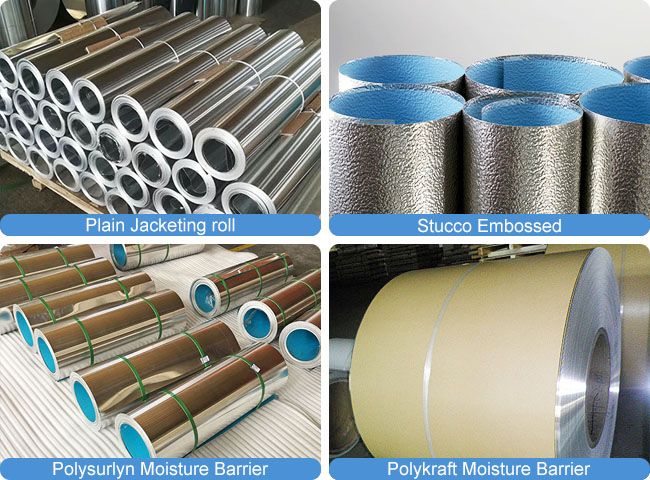
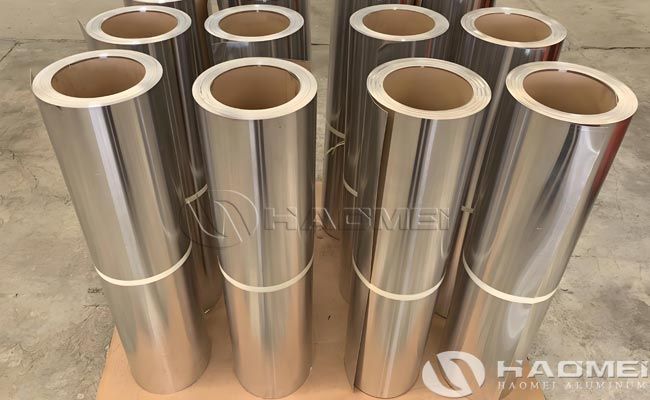
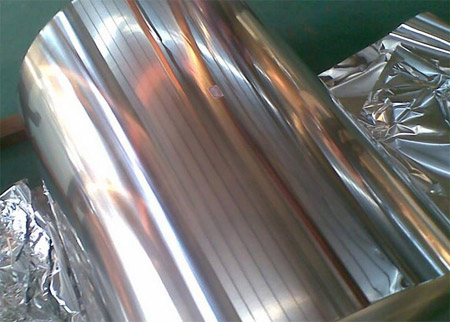
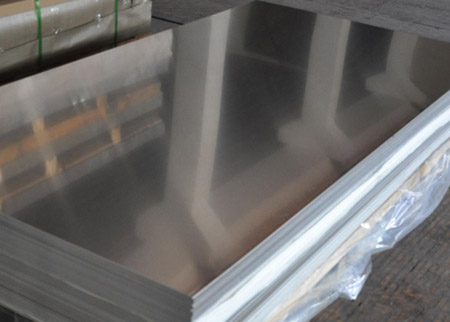
Smooth aluminum jacketing rolls feature a flat, dense surface with a specular thermal reflectivity of over 85%. They offer excellent sealing at overlapping joints, making them ideal for indoor piping—such as in cleanrooms—where high standards for appearance and airtightness are required; they also provide a superior fit for small-diameter, multi-elbow piping configurations.
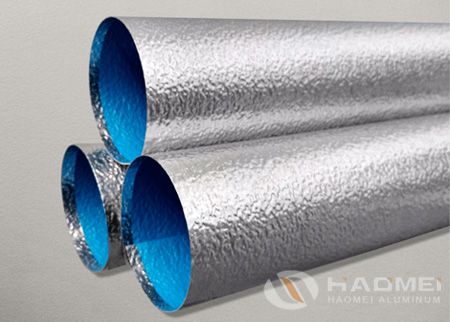
Embossed aluminum jacketing rolls are precision-rolled to create a uniform "orange-peel" texture, with a pattern depth controlled between 0.03 mm and 0.05 mm. This process increases longitudinal rigidity by approximately 25% compared to smooth coils, providing exceptional resistance to denting and deformation—perfect for outdoor overhead municipal piping networks that span long distances.
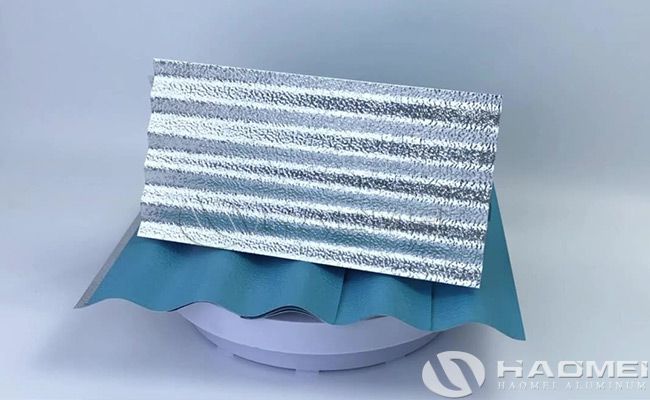
Corrugated aluminum jacketing rolls are shaped with a wave-like profile, which significantly enhances structural strength, wind-pressure resistance, and impact durability; they are specifically designed for large-diameter industrial piping, high-altitude or heavy-load applications, and insulation in regions prone to strong winds.
The selection of a moisture barrier depends on ambient humidity levels and vapor-retardation requirements.
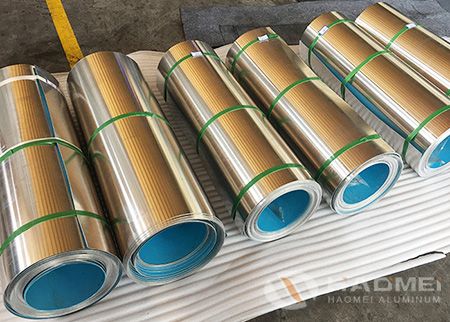
Kraft paper moisture barriers utilize 80–120 g/m² industrial-grade, water-resistant impregnated kraft paper. A layer of low-density polyethylene (LDPE) is applied to fill the paper's fibrous pores, and the material is then thermally bonded to the aluminum base. This results in an interlayer peel strength of ≥8 N/25 mm and a water vapor transmission rate (WVTR) at least 30% lower than that of bare aluminum jacakting rolls. This cost-effective solution is well-suited for underground utility tunnels and standard high-humidity environments.
Polysurlyn film moisture barriers consist of a 0.05–0.08 mm thick layer of Surlyn ionomer resin. This dense, non-porous material reduces the water vapor transmission rate by an additional 40% compared to kraft paper-based barriers. It maintains excellent toughness at low temperatures—remaining crack-resistant and intact even at -40°C—while also offering resistance to oils and mild chemical agents. These are ideal for cryogenic refrigerant piping, cold-chain storage facilities, and outdoor projects in regions characterized by high humidity and frequent rainfall.
The optimal solution of aluminum pipe insulation jacketing can be determined by evaluating three key dimensions: for standard indoor HVAC applications, 1060 smooth aluminum jacketings are the preferred choice; for outdoor municipal heating networks, 3003 embossed aluminum jacketing with kraft paper moisture barrier are recommended; for cryogenic chemical pipelines, 3003 embossed aluminum jacketing with polysurlyn film moisture barrier are advised; and for large-diameter, heavy-duty industrial pipelines, 3003 corrugated aluminum jacaktings are suitable.
As a professional manufacturer of aluminum pipe insulation jacketing, Haomei Aluminum offers fully customized specifications. Every batch undergoes rigorous triple-layer performance testing, and we provide standard material certification. We also offer comprehensive global export logistics services. Please contact us for a tailored selection plan and a personalized quote.
live:onlinehcx





 Haomei Aluminum
 live:onlinehcx
 +8637165621391
